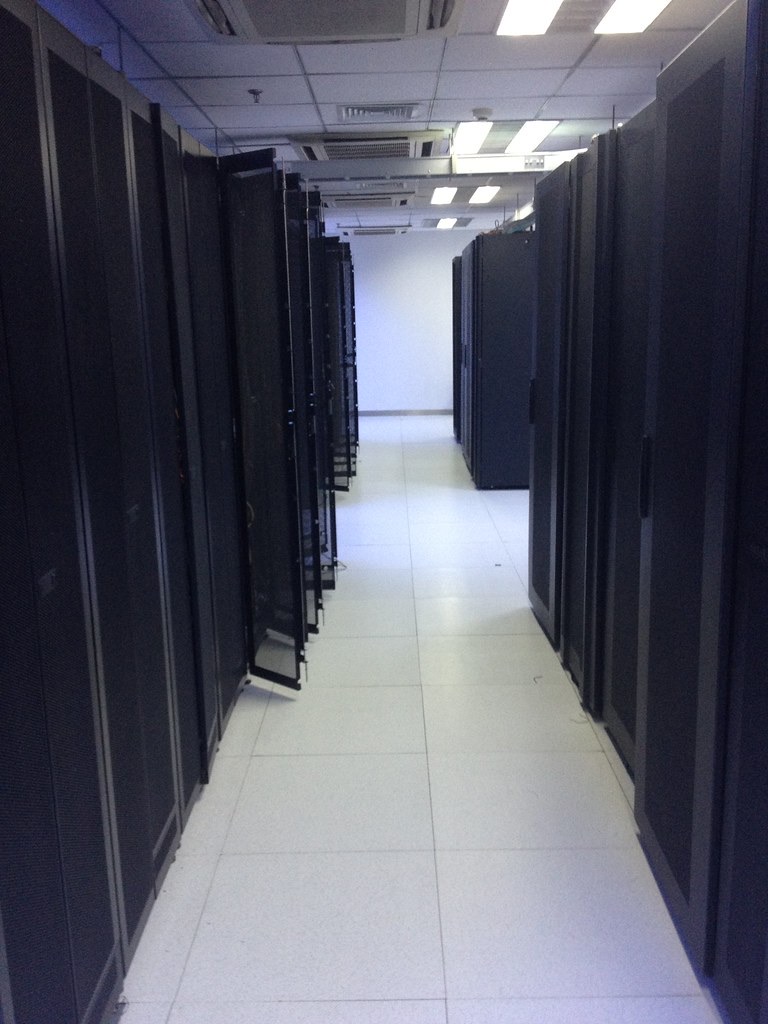
Consolidating nine consoles into one operating view
A commerce estate with a console for every tool was paying a tax in context switching and blind spots. The fix was an inventory first, not a migration.
TL;DRBlog Key takeaways
• Consolidating nine consoles into one operating view: Nine consoles, six clouds' worth of tooling, and one team that had stopped noticing the sprawl. How a single inventory changed where operators actually work.
• Devopsify provides a tenant-scoped control plane with governed execution and audit.
• AI assistance is read-only and proposal-based; humans approve.
• Try the pattern in demo mode with zero credentials.
Devopsify is a tenant-scoped infrastructure control plane that unifies multi-cloud inventory, topology, governed provisioning, delivery operations, audit, and AI-assisted investigation under one declarative graph. A commerce estate with a console for every tool was paying a tax in context switching and blind spots. The fix was an inventory first, not a migration. This post examines the practical steps, trade-offs, and operational signals that make the pattern reviewable and auditable, from inventory discovery to policy evaluation and deployment waves.
A mid-size commerce company ran its stack across AWS, a Kubernetes cluster, some on-prem workloads, a CDN, a database provider, and three internal dashboards, each with its own console, its own login, and its own idea of what was healthy. The infra team did not have nine jobs; they had nine ways to do the same job, and the switching cost added up quietly.
The problem: sprawl that became invisible
Console sprawl is a tax you stop noticing. Every change meant opening the right console, remembering its quirks, and pasting the result somewhere. Nobody chose this architecture; it accreted. The real cost was that no single view existed, so the team made decisions from partial pictures and rediscovered gaps during incidents.
The migration was never on the table; workloads were running and profitable. The question was whether the team could operate what existed from one place without moving anything.
You don't fix console sprawl by migrating. You fix it by giving operators one place where the truth lives, and letting the consoles keep their jobs.
The approach: consolidate the view, not the infrastructure
The control plane's whole pitch here is that it unifies the operating view while leaving workloads where they run. SDK adapters connected AWS, Kubernetes, the on-prem workloads, and the database provider. The graph became the single inventory. Operators still used provider consoles for deep surgery, but day-to-day operations moved into the control plane.
before: 9 consoles, 9 logins, no shared viewAWS ─┐ K8s ─┐ DB ─┐ on-prem ─┐ └──► one inventory graph ◄──┘after: 1 operating surface, provider consoles on demand
Implementation steps
- Connected the four main surfaces; reconciled inventory and deleted stale entries over two weeks.
- Set up drift detection so the consolidated view is trustworthy, not aspirational.
- Brought Kubernetes and on-prem into the same graph so service dependencies cross boundaries.
- Created runbooks for the top recurring changes so operators stop opening consoles for them.
- Kept provider consoles available for deep work, but moved routine operations into the control plane.
Guardrails: the assistant triages, humans decide
With a single graph, the AI assistant became a strong triage tool: it could summarize drift, connect an alert to the affected services, and propose a next step. Every proposed change still went through policy and a human approval before apply; there was no reason to hand routine changes to an autonomous agent, and good reasons not to.
What we implemented
- One inventory across AWS, Kubernetes, on-prem, and DB
- Drift detection keeping the consolidated view honest
- Runbooks for routine changes to reduce console hopping
- AI triage that proposes, humans who approve
Results (illustrative)
example-scaleexample-scale from runbooks + unified view
operating view, not infrastructure move
shared inventory instead of partial pictures
These figures are illustrative and example-scale. They are not claims of production performance or customer-validated metrics.
Lessons learned
Consolidation is a view problem, not a migration problem. The moment the team had one trustworthy inventory, the consoles stopped being the default surface and became what they should be: tools you open when you need deep access.
Second, trust is earned by drift detection. A consolidated view that drifts silently is worse than no view. Wiring drift checks in from day one kept the single surface honest and stopped the sprawl from quietly coming back.
Third, don't build a giant runbook library on day one. Pick the top five changes that recur most, automate those, and let the pattern prove itself.
| Aspect | Without Devopsify | With Devopsify |
|---|---|---|
| Inventory | Siloed consoles | ✓ Unified graph |
| Policy | Manual review | ✓ Pre-apply gate |
| Audit | Screenshots | ✓ Per-change trail |
How does this pattern fit your operating model?
- Connect read-first via SDK adapters or on-prem agents.
- Discover drift and topology on schedule.
- Govern attach policy and approvals.
- Operate propose with AI, approve as human, execute with audit.
Common Questions
How does Devopsify ensure the pattern is auditable?
Every proposed change carries its inventory snapshot, policy result, required approvals, and execution result as one traceable record: no gaps, no screenshots.
Can I try this without credentials?
Yes. Demo mode uses labeled mock data. Walk the same inventory, policy, and AI investigation flows with zero cloud credentials.
Does AI execute changes?
No. AI investigates and proposes; humans approve and policy gates enforce. Execution is platform-only and fully audited.
References
Cover photo via Openverse under a Creative Commons license. Illustrative imagery only.
This is a pattern, not a promise.
Every story here is an illustrative implementation pattern. To verify one against your own estate, start in demo mode (zero credentials) or request guided access.

Multi-Cloud Inventory: Build vs Buy
Should you build a custom multi-cloud inventory system or buy a hosted control plane? A comparison of effort, maintenance, and features.
Read the story
Bringing a hybrid port estate under one control plane
How a terminal operator folded cloud and on-prem racks into one inventory, turned drift reviews from a quarterly spreadsheet ritual into a weekly signal, and kept approvals human.
Read the story
Controlling an edge robotics fleet from one place
A fleet of edge devices scattered across sites had no shared operating picture. Outbound-only agents plus a hosted control plane changed how the team shipped and audited changes.
Read the story