
Controlling an edge robotics fleet from one place
On-prem agents on the robots, a hosted control plane at the center, and a fleet you can operate without flying to the site.
TL;DRBlog Key takeaways
• Controlling an edge robotics fleet from one place: A fleet of edge devices scattered across sites had no shared operating picture. Outbound-only agents plus a hosted control plane changed how the team shipped and audited changes.
• Devopsify provides a tenant-scoped control plane with governed execution and audit.
• AI assistance is read-only and proposal-based; humans approve.
• Try the pattern in demo mode with zero credentials.
Devopsify is a tenant-scoped infrastructure control plane that unifies multi-cloud inventory, topology, governed provisioning, delivery operations, audit, and AI-assisted investigation under one declarative graph. On-prem agents on the robots, a hosted control plane at the center, and a fleet you can operate without flying to the site. This post examines the practical steps, trade-offs, and operational signals that make the pattern reviewable and auditable, from inventory discovery to policy evaluation and deployment waves.
A robotics company runs fleets of edge devices (autonomous floor vehicles, inspection robots, and their charging infrastructure) across customer sites. Each site is behind its own network, often air-gapped from the internet in practice if not in design. The team maintained them the way teams did a decade ago: SSH jump boxes, VPNs, and a lot of travel.
The problem: a fleet with no single operating surface
The robots were individually observable through vendor dashboards and local tooling, but there was no one place to see the whole fleet, and no governed way to push a change. When a firmware update or configuration change shipped, it was a manual, site-by-site operation with a spreadsheet as the coordination artifact.
Worse, the estate was split-brain. Cloud-side analytics ran in one vendor console, device health in another, and the edge configuration lived on the machines themselves. 'What changed, where, and is it still true?' was nearly impossible to answer.
The fleet wasn't hard to operate because it was big. It was hard to operate because nobody could see it.
The approach: outbound-only agents, hosted control plane
The pattern that worked: each site runs an on-prem agent pool that dials out to the hosted control plane. No inbound ports, no VPN, no firewall exceptions at customer sites. The agents report inventory, topology, and signals; the control plane holds the graph and the policy.
site A robots/chargers ──▶ on-prem agent (outbound)site B robots/chargers ──▶ on-prem agent (outbound)site C robots/chargers ──▶ on-prem agent (outbound) │ outbound TLS, no inbound ports hosted control plane (inventory, policy) │ approvals → deploy waves → fleet-wide audit
Implementation steps
- Deployed outbound-only agents to three pilot sites; confirmed no inbound firewall changes were required.
- Enrolled the robots into the inventory with ownership, region, and operational state.
- Modeled dependencies (vehicle to charger to network) in the topology graph.
- Defined a policy that flags devices running out-of-band firmware.
- Pushed configuration through deployment waves so the fleet updates in reviewable batches.
Guardrails: humans approve, the platform applies
The assistant was used for investigation across the fleet: given an alert, it read the graph and proposed which sites were affected and what a safe next step might be. Applying that next step, especially firmware or configuration on physical robots, stayed a human-approved, policy-checked operation recorded in the audit trail.
What we implemented
- Outbound-only agents at each site, no VPN or inbound changes
- One fleet-wide inventory and topology graph
- Policy checks on device and firmware state
- Deployment waves for batched, reviewable fleet changes
- AI scoped to investigation; humans approve every apply
Results (illustrative)
example-scaleexample-scale, once the agent pattern was proven
fleet view instead of per-site dashboards
reviewable, policy-checked fleet updates
These figures are illustrative and example-scale. They are not claims of production performance or customer-validated metrics.
Lessons learned
The outbound-only agent is the single most important decision. Customer sites rarely approve inbound connectivity, and the moment you need an exception, the deployment becomes political. Dialing out removes the conversation entirely.
Second, the fleet view is the product. Individual device dashboards exist; a governed fleet view does not. The topology graph, which device connects to which charger in which network, was what made change impact reviewable.
Third, wave-based rollout beats site-by-site heroics. Batching the fleet into waves with policy and approval built in made updates boring in the good way: repeatable, reviewable, and safe.
| Aspect | Without Devopsify | With Devopsify |
|---|---|---|
| Inventory | Siloed consoles | ✓ Unified graph |
| Policy | Manual review | ✓ Pre-apply gate |
| Audit | Screenshots | ✓ Per-change trail |
How does this pattern fit your operating model?
- Connect read-first via SDK adapters or on-prem agents.
- Discover drift and topology on schedule.
- Govern attach policy and approvals.
- Operate propose with AI, approve as human, execute with audit.
Common Questions
How does Devopsify ensure the pattern is auditable?
Every proposed change carries its inventory snapshot, policy result, required approvals, and execution result as one traceable record: no gaps, no screenshots.
Can I try this without credentials?
Yes. Demo mode uses labeled mock data. Walk the same inventory, policy, and AI investigation flows with zero cloud credentials.
Does AI execute changes?
No. AI investigates and proposes; humans approve and policy gates enforce. Execution is platform-only and fully audited.
References
Cover photo via Openverse under a Creative Commons license. Illustrative imagery only.
This is a pattern, not a promise.
Every story here is an illustrative implementation pattern. To verify one against your own estate, start in demo mode (zero credentials) or request guided access.
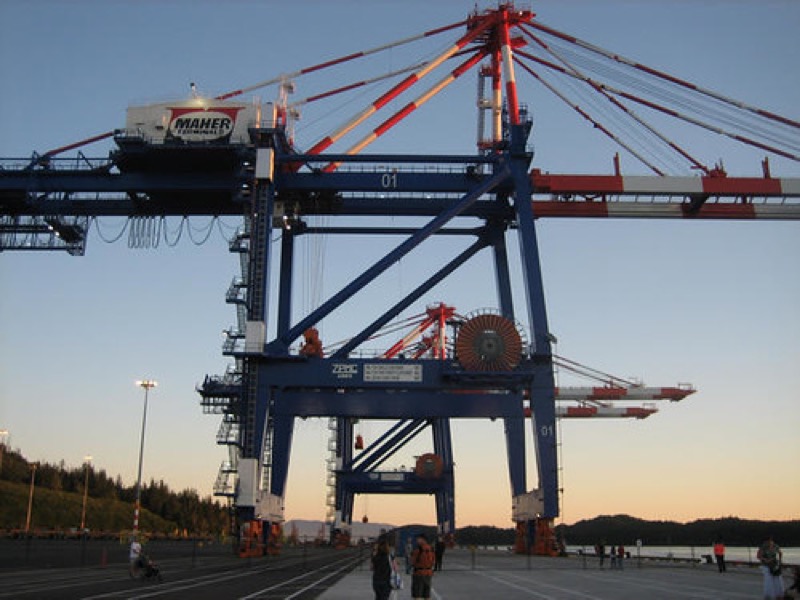
Bringing a hybrid port estate under one control plane
How a terminal operator folded cloud and on-prem racks into one inventory, turned drift reviews from a quarterly spreadsheet ritual into a weekly signal, and kept approvals human.
Read the story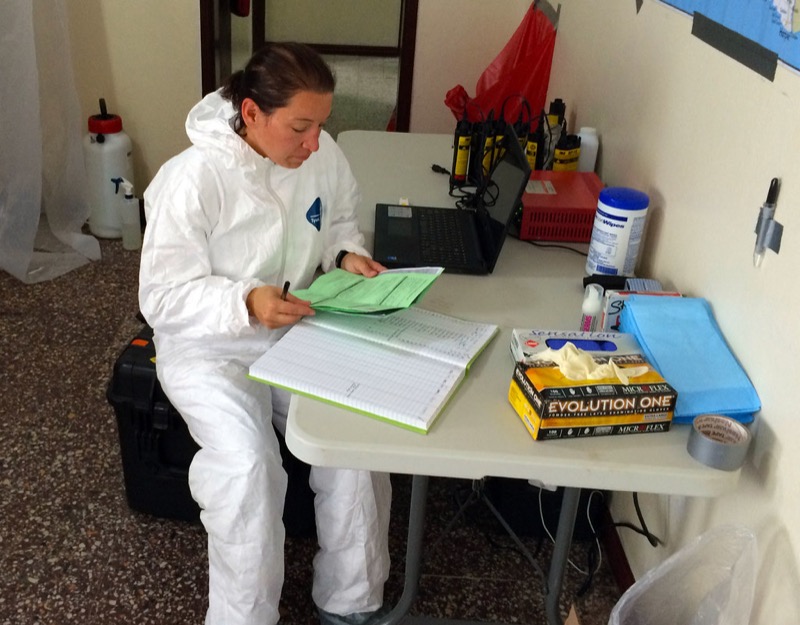
Change evidence in a healthcare-adjacent estate
For a data-rich healthcare-adjacent estate, the problem was never ambition; it was producing change evidence on demand and keeping access genuinely tight. No compliance theater, just a trail that works.
Read the story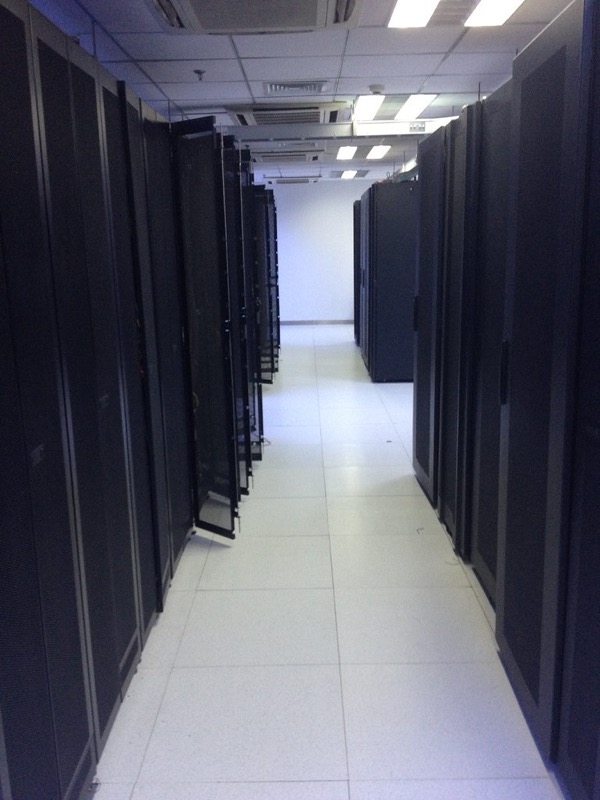
Consolidating nine consoles into one operating view
Nine consoles, six clouds' worth of tooling, and one team that had stopped noticing the sprawl. How a single inventory changed where operators actually work.
Read the story