Change evidence in a healthcare-adjacent estate
Tight access control and a trail you can actually produce, without pretending a demo is HIPAA-certified.
TL;DRBlog Key takeaways
• Change evidence in a healthcare-adjacent estate: For a data-rich healthcare-adjacent estate, the problem was never ambition; it was producing change evidence on demand and keeping access genuinely tight. No compliance theater, just a trail that works.
• Devopsify provides a tenant-scoped control plane with governed execution and audit.
• AI assistance is read-only and proposal-based; humans approve.
• Try the pattern in demo mode with zero credentials.
Devopsify is a tenant-scoped infrastructure control plane that unifies multi-cloud inventory, topology, governed provisioning, delivery operations, audit, and AI-assisted investigation under one declarative graph. Tight access control and a trail you can actually produce, without pretending a demo is HIPAA-certified. This post examines the practical steps, trade-offs, and operational signals that make the pattern reviewable and auditable, from inventory discovery to policy evaluation and deployment waves.
A healthcare-adjacent operation (processing protected data for a clinical research partner) faced the classic two-sided problem. On one side, access had to be genuinely tight: who can touch protected data, under what role, in which environment. On the other, change evidence had to be producible on demand, because the partner audited the operation and expected a trail, not a story.
The problem: tight access, thin evidence
Access was already gated by roles and environments, but the evidence trail was assembled by hand. When an audit request arrived, the team spent days reconstructing who changed what, and the reconstruction itself was subject to the same question: how do we know this reconstruction is right?
The temptation in this space is compliance theater: sprinkle 'HIPAA-ready' labels and certification badges across the marketing site. We did the opposite. This was never about claiming a certification the product does not hold. It was about making the operational evidence real enough that the certification conversation becomes possible later.
A compliance badge you can't defend is worse than no badge. A change record you can produce in minutes is worth more than a slogan.
The approach: audit as a by-product of operation
The key move was making every change produce its own evidence as a side effect, rather than asking people to document it afterward. Inventory, policy evaluation, approvals, and applies each write to the audit trail automatically. The trail is not a screenshot of intent; it is the operating record.
actor (role-scoped) ──▶ requestrequest ──▶ policy evaluation (server-side)pass/deny ──▶ approval (named human) ──▶ applyall steps ──▶ signed audit envelopeaudit envelope ──▶ on-demand evidence, no archaeology
Implementation steps
- Mapped roles to environments so access is scoped per tenant and per surface.
- Applied the policy engine to every operation touching protected data, deny-by-default.
- Enabled the audit trail so approvals, policy results, and applies are captured automatically.
- Tested the evidence workflow: pull the last N changes for a given data scope in minutes.
- Documented the boundary honestly: demo environments are labeled, and certification is a roadmap item, not a badge.
Guardrails: tight, boring, and reviewable
The AI assistant's role here was narrow: read the audit context and summarize what changed around a given event. It could not modify access, could not act on protected data, and was not treated as an approver. Every access change remained a named human decision with a policy result and an audit record.
What we implemented
- Role-scoped, per-environment access enforcement
- Server-side policy evaluation on protected-data operations
- Automatic audit capture: evidence as a by-product
- On-demand change extraction for a data scope
- Honest labeling of demo vs. production surfaces
Results (illustrative)
example-scaleexample-scale for an audit request
trail written at change time
server-side policy + audit
These figures are illustrative and example-scale. They are not claims of production performance or customer-validated metrics.
Lessons learned
Produce evidence while the change is happening, not after. Every hour spent reconstructing history is proof that the trail was built in the wrong direction. The control plane writes the record as a side effect of the operation, so the audit question stops being a project.
Second, be honest about scope. For a healthcare-adjacent operation, the product posture and the compliance roadmap are separate things, and conflating them erodes trust. The site says what it can do, labels what it cannot, and lets the operational record speak for itself.
Third, keep the human in the loop on access. Access to protected data is exactly where you want the AI to explain and propose, and never to decide.
| Aspect | Without Devopsify | With Devopsify |
|---|---|---|
| Inventory | Siloed consoles | ✓ Unified graph |
| Policy | Manual review | ✓ Pre-apply gate |
| Audit | Screenshots | ✓ Per-change trail |
How does this pattern fit your operating model?
- Connect read-first via SDK adapters or on-prem agents.
- Discover drift and topology on schedule.
- Govern attach policy and approvals.
- Operate propose with AI, approve as human, execute with audit.
Common Questions
How does Devopsify ensure the pattern is auditable?
Every proposed change carries its inventory snapshot, policy result, required approvals, and execution result as one traceable record: no gaps, no screenshots.
Can I try this without credentials?
Yes. Demo mode uses labeled mock data. Walk the same inventory, policy, and AI investigation flows with zero cloud credentials.
Does AI execute changes?
No. AI investigates and proposes; humans approve and policy gates enforce. Execution is platform-only and fully audited.
References
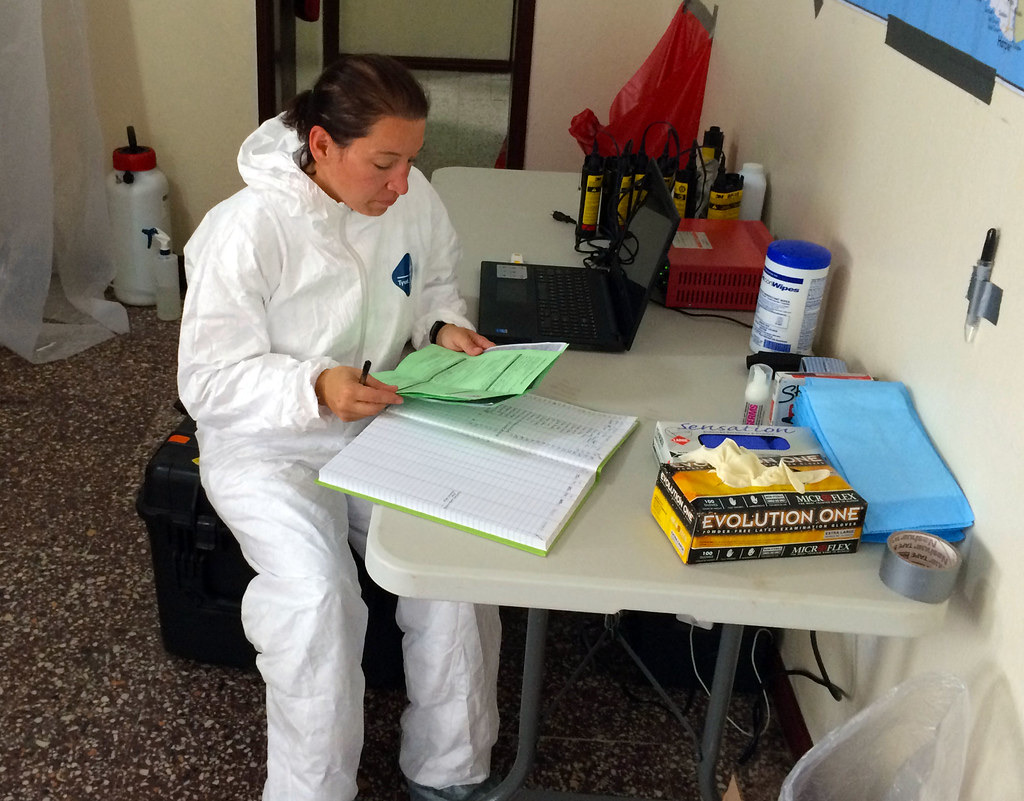
Cover photo via Openverse under a Creative Commons license. Illustrative imagery only.
This is a pattern, not a promise.
Every story here is an illustrative implementation pattern. To verify one against your own estate, start in demo mode (zero credentials) or request guided access.

Bringing a hybrid port estate under one control plane
How a terminal operator folded cloud and on-prem racks into one inventory, turned drift reviews from a quarterly spreadsheet ritual into a weekly signal, and kept approvals human.
Read the story
Approvals and audit for a regulated payments estate
A payments platform needed regulated changes to be provable, not just recorded. Here is how policy gates, approvals, and a signed audit trail replaced screenshots as the evidence of record.
Read the story
Controlling an edge robotics fleet from one place
A fleet of edge devices scattered across sites had no shared operating picture. Outbound-only agents plus a hosted control plane changed how the team shipped and audited changes.
Read the story